What Is a Bull Flag Pattern?
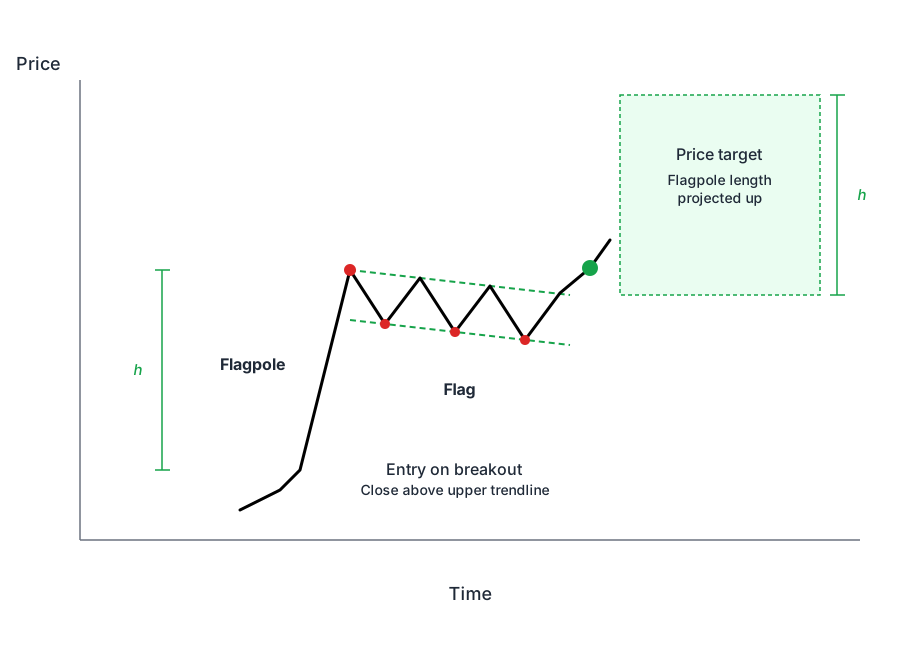
A bull flag is a bullish continuation pattern that forms after a strong upward price move. The initial surge is the flagpole. After the flagpole, price consolidates in a slight downward or sideways channel, forming the flag. When price breaks above the upper boundary of the flag, the uptrend is likely to resume.
The flag portion should be relatively brief compared to the flagpole. A consolidation that lasts too long or retraces too deeply may indicate bullish momentum has faded.
How to Identify a Bull Flag on a Chart
- A strong, near-vertical price advance forming the flagpole.
- A consolidation phase drifting lower or sideways in a contained channel.
- The flag should retrace no more than approximately 50% of the flagpole.
- Declining volume during the flag formation.
- A breakout above the upper trendline of the flag.
Why the Pattern Forms (Market Psychology)
The flagpole represents a surge in buying interest. After the initial burst, some traders take profits and price drifts lower. The shallow retracement shows that demand remains strong. When new buyers enter and price breaks above the flag, it triggers stop losses from short sellers and attracts momentum traders.
How to Trade a Bull Flag Step by Step
- Identify the flagpole. Confirm a strong, impulsive move to the upside.
- Wait for the flag to form. Look for a controlled pullback.
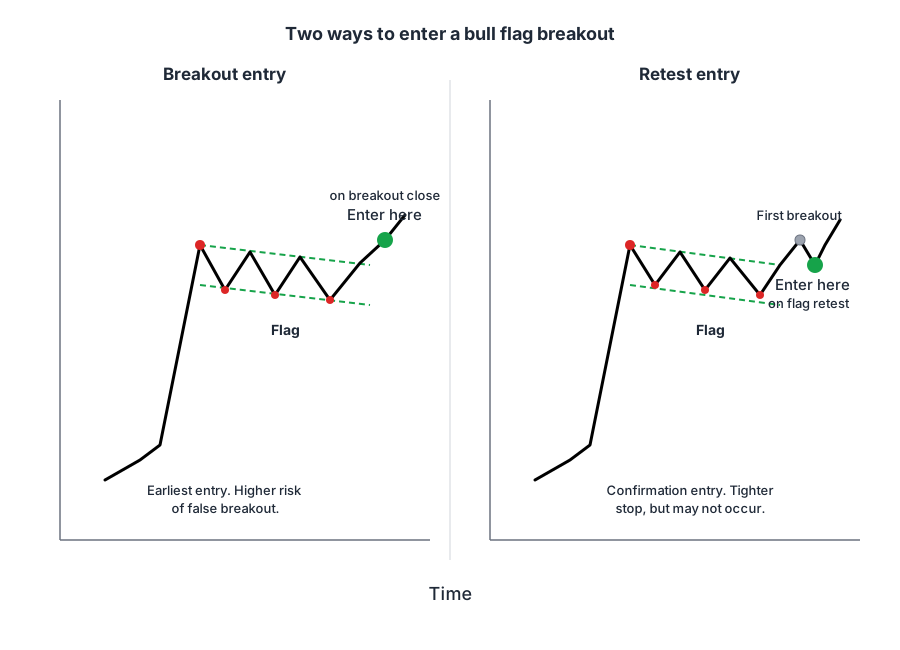
- Wait for the breakout. Enter when price closes above the upper boundary.
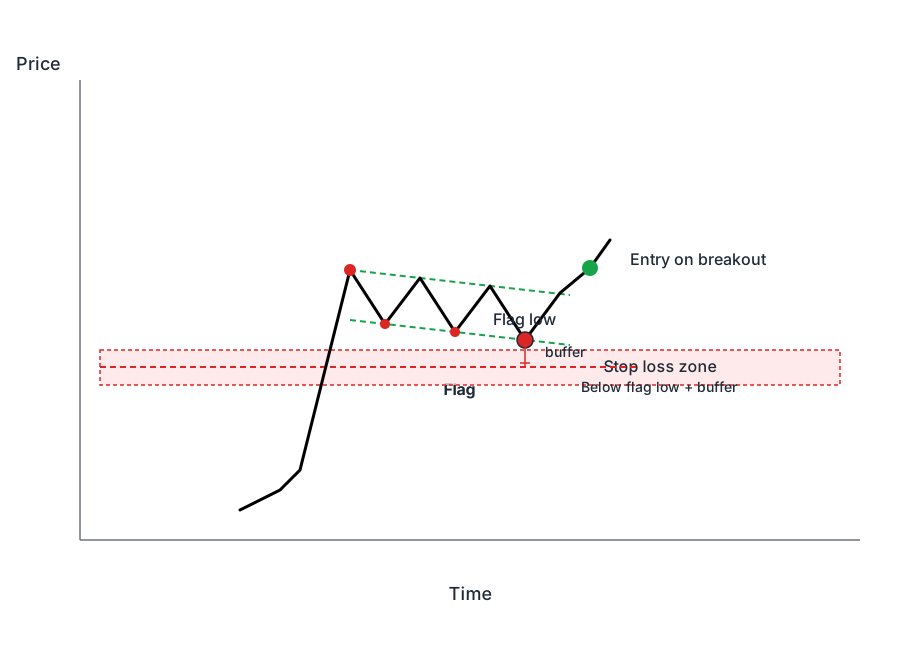
- Set your stop loss. Below the lowest point of the flag.
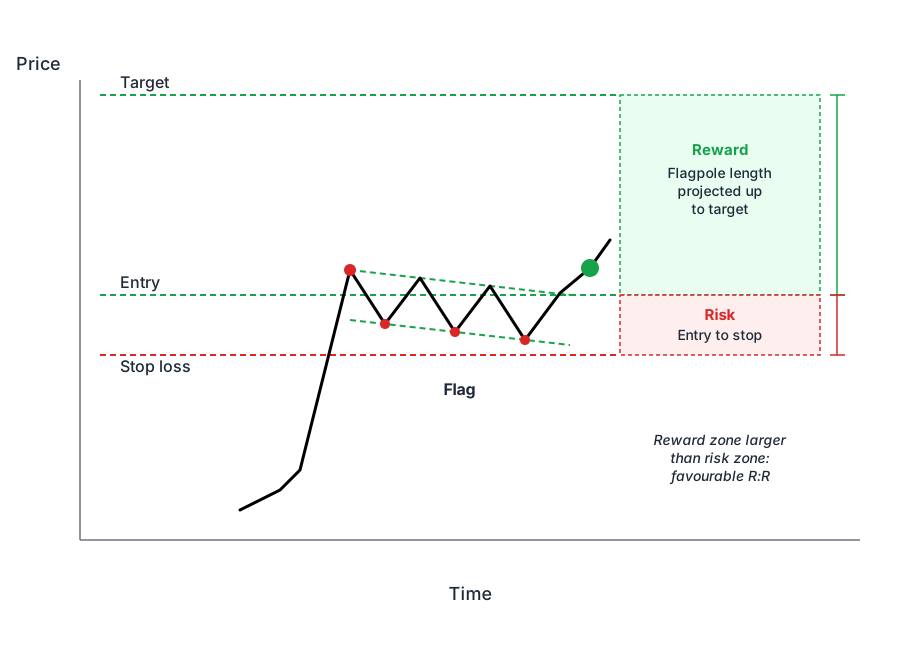
- Define your target. Measure the flagpole length and project upward from the breakout.
- Manage the trade. Trail your stop or take partial profits.
Where to Place a Stop Loss
Below the bottom of the flag. Add a buffer for spreads and wick noise. A 10 to 20 pip buffer is common on major pairs.
Risk Management Considerations
- Risk 1% to 2% per trade.
- Size your position based on the stop loss distance.
- Bull flags that form after extended trends carry higher risk.
- Do not chase a breakout that has already moved significantly.
Common Mistakes Traders Make
- Confusing a deep retracement with a flag.
- Entering during the flag before the breakout.
- Ignoring the quality of the flagpole.
- Trading the pattern in isolation. Combine with indicators and broader technical analysis.
Example Scenario Using a Forex Pair
Suppose GBP/USD rallies sharply from 1.2600 to 1.2750 over two sessions, forming a 150 pip flagpole. Price consolidates in a gentle downward channel. When price closes above the flag's upper trendline at 1.2725, a trader enters long at 1.2730 with a stop at 1.2680. The measured move target is 1.2880, producing a reward to risk ratio of 3:1.
This is a hypothetical example for educational purposes only.
Final Thoughts
The bull flag is a straightforward continuation pattern. As with all chart patterns, there is no guarantee of success. Practise identifying the pattern on a demo account.
Ready to Trade Bull Flag Breakouts?
Choose an FCA-regulated broker with fast execution and competitive spreads. Brokers such as Pepperstone and IG are well-suited for active trading styles. Also see our comparing brokers for momentum trading for a head-to-head view.
Risk Warning: Spread betting and CFDs are complex instruments and come with a high risk of losing money rapidly due to leverage. Between 70-80% of retail investor accounts lose money when trading CFDs. You should consider whether you understand how CFDs work and whether you can afford to take the high risk of losing your money.